The Truth About "Science-Based" Female Fitness Advice
Women's fitness advice has exploded online, but much of it oversimplifies complex science or lacks practical application.
A recent viral video claimed to share 12 science-backed tips specifically for women, based on Dr Stacy Sims' research.
While some recommendations hit the mark, others miss crucial context that could actually harm your progress.
Let's unpack what's helpful, what's misleading, and what you actually need to know.
The Core Problem: Women Aren't Small Men
Yes, women have menstrual cycles and hormonal fluctuations that men don't experience.
Your physiology does follow different rules.
But this doesn't mean you need completely different training protocols for everything.
The key is understanding where the differences actually matter and where they don't.
The 12 Common Recommendations - Are they accurate or not?
1. Recovery Time
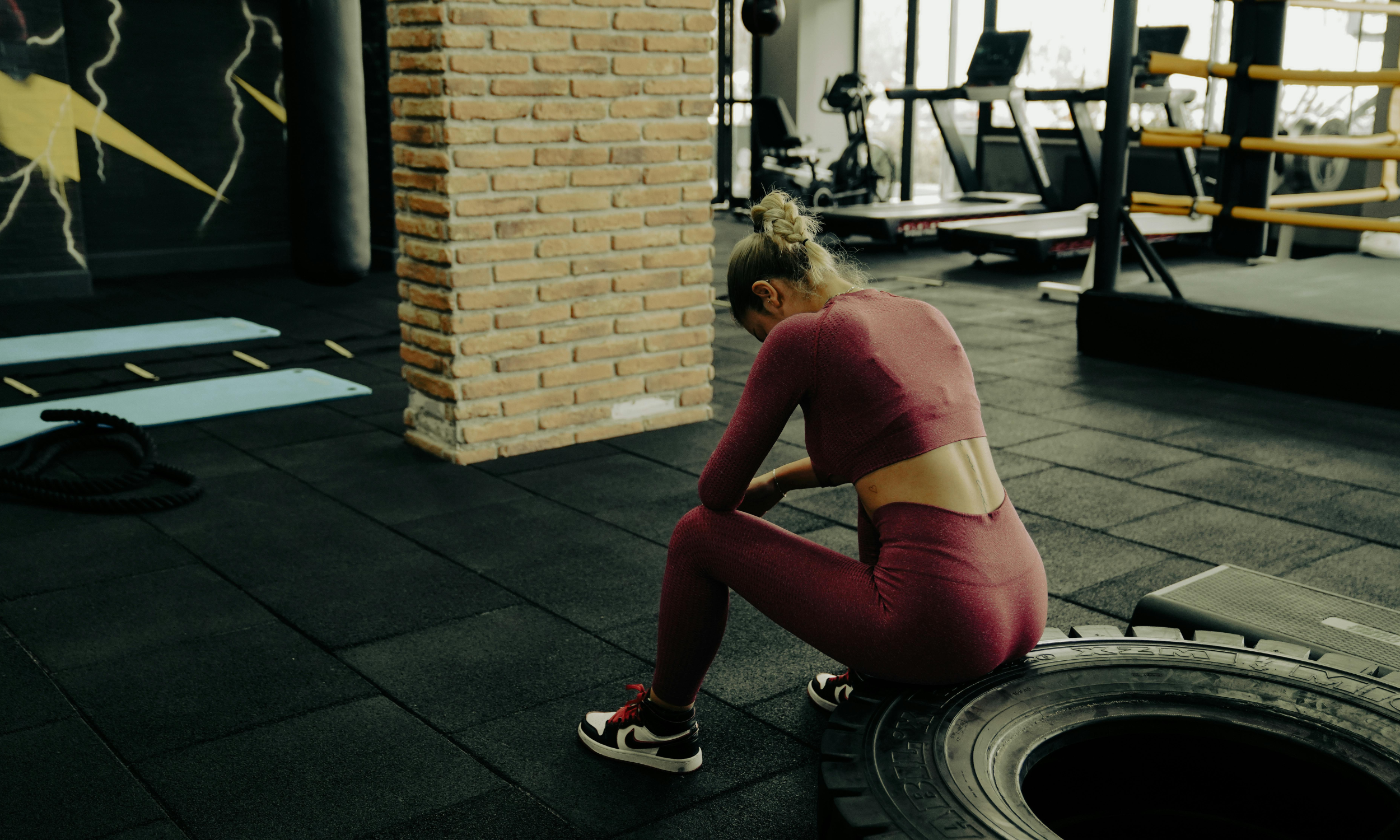
The Claim: Women recover faster between sets and should take shorter rest periods (90 seconds vs. men's 2.5 minutes).
The Reality: This oversimplification leads to one of the biggest mistakes in women's training, rushing through sets and treating strength training like cardio. While estrogen may have anabolic properties, 90 seconds is far too short for building actual strength and muscle.
Rest periods depend on:
Exercise selection (compound vs. isolation)
Your specific goal (strength vs. conditioning)
Your experience level
The Truth: Whether you're male or female, rest 2-5 minutes between sets when building strength or muscle. Quality reps matter more than burning calories or chasing "the pump."
2. Strength Training
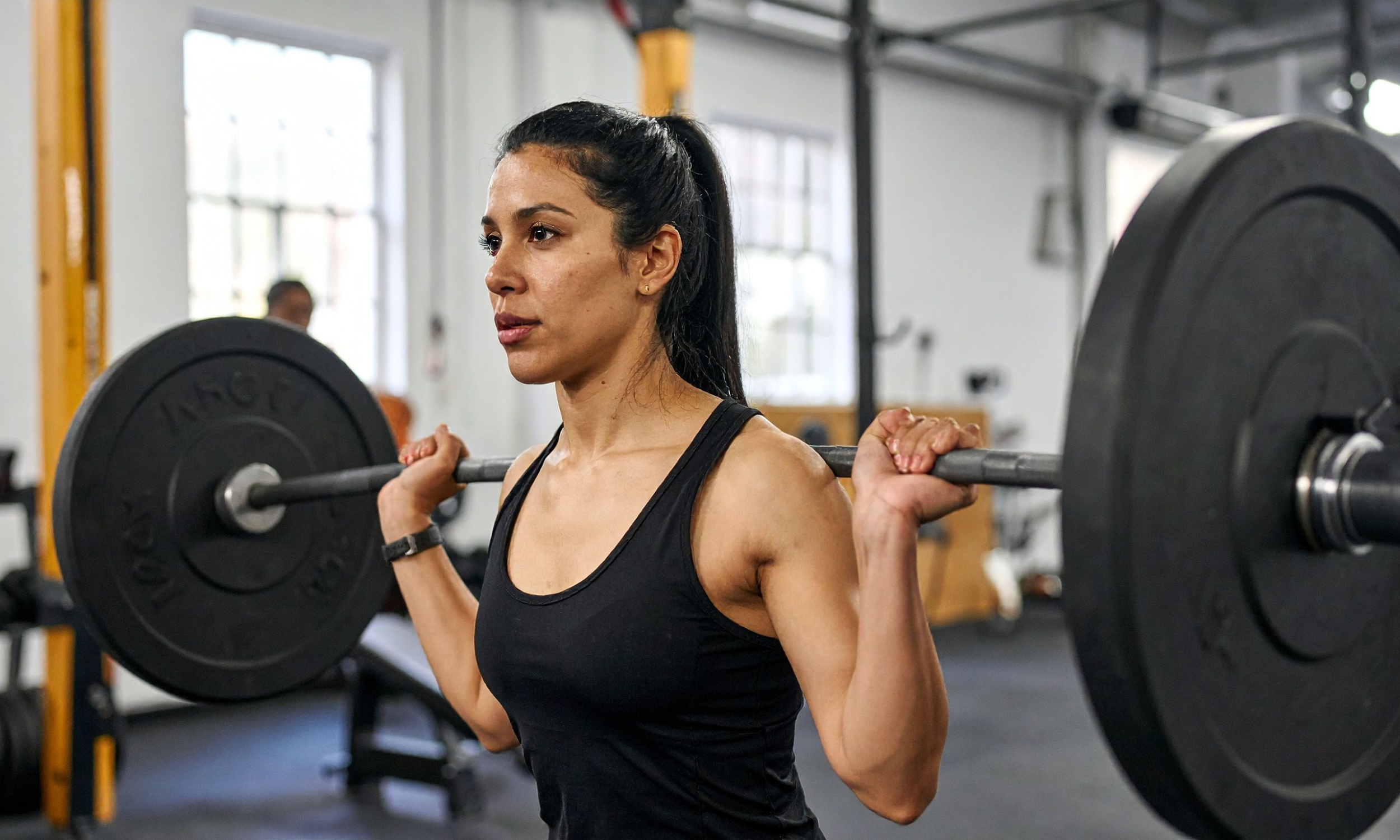
The Claim: All women should strength train 3-4 times weekly.
The Reality: Absolutely correct. Nothing replaces progressive strength training, not Pilates, not yoga, not group fitness classes.
Research shows that strength training is crucial for women because it builds muscle mass, supports metabolic health, strengthens bones, and protects brain function.
As highlighted in research on women's strength training, resistance training helps combat age-related muscle loss and improves functional fitness far beyond aesthetics.
3. Rep Ranges Across Your Lifespan
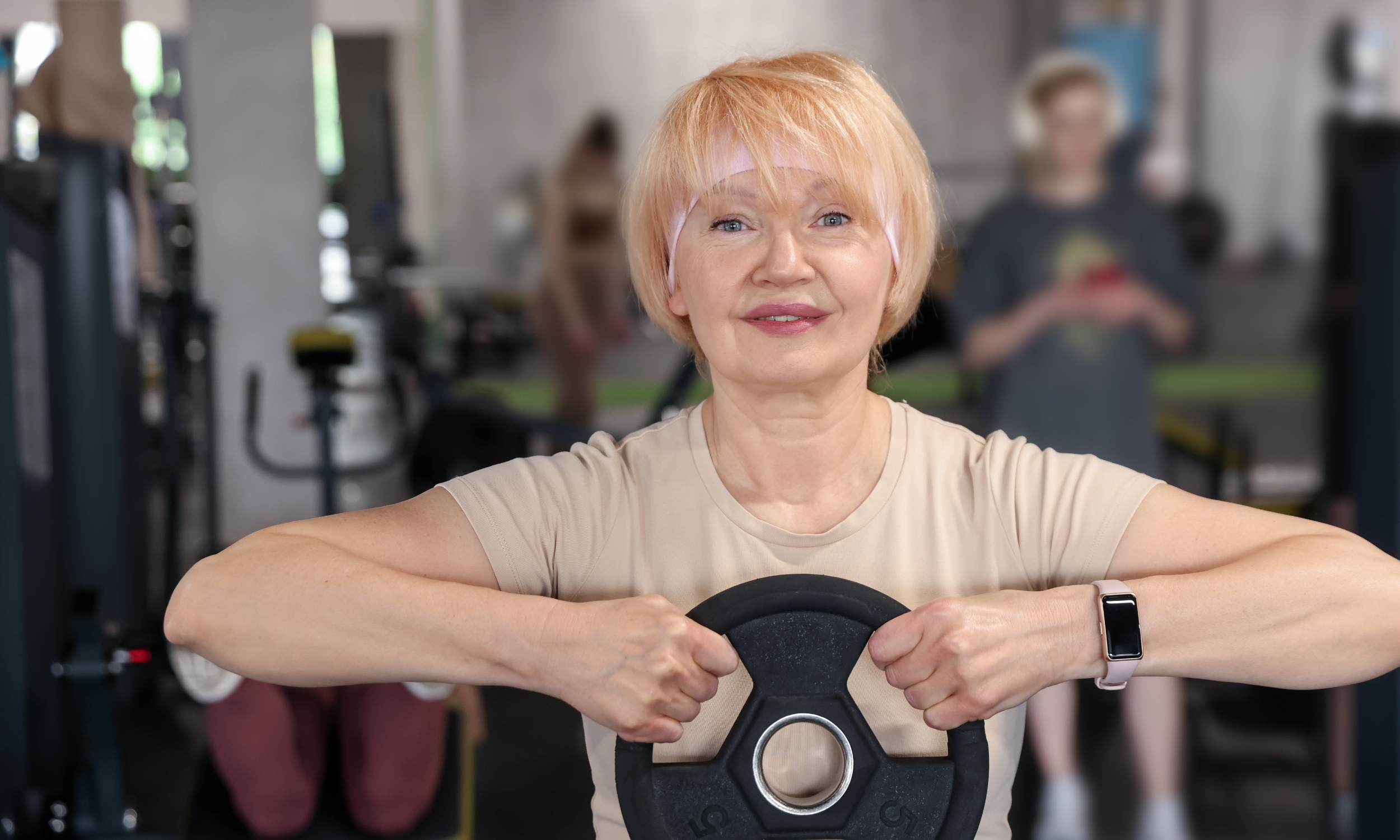
The Claim: In your 20s-30s, focus on high reps; in perimenopause and beyond, switch to lower reps.
The Reality: You can build muscle at any rep range, sets of 3-5 or sets of 15-20, both work. What matters is total training volume and intensity, not your age bracket.
Your 20s and 30s are your most anabolic years.
Prioritise building as much muscle and strength as possible now.
That foundation serves you for life.
4. Free Weights vs. Machines
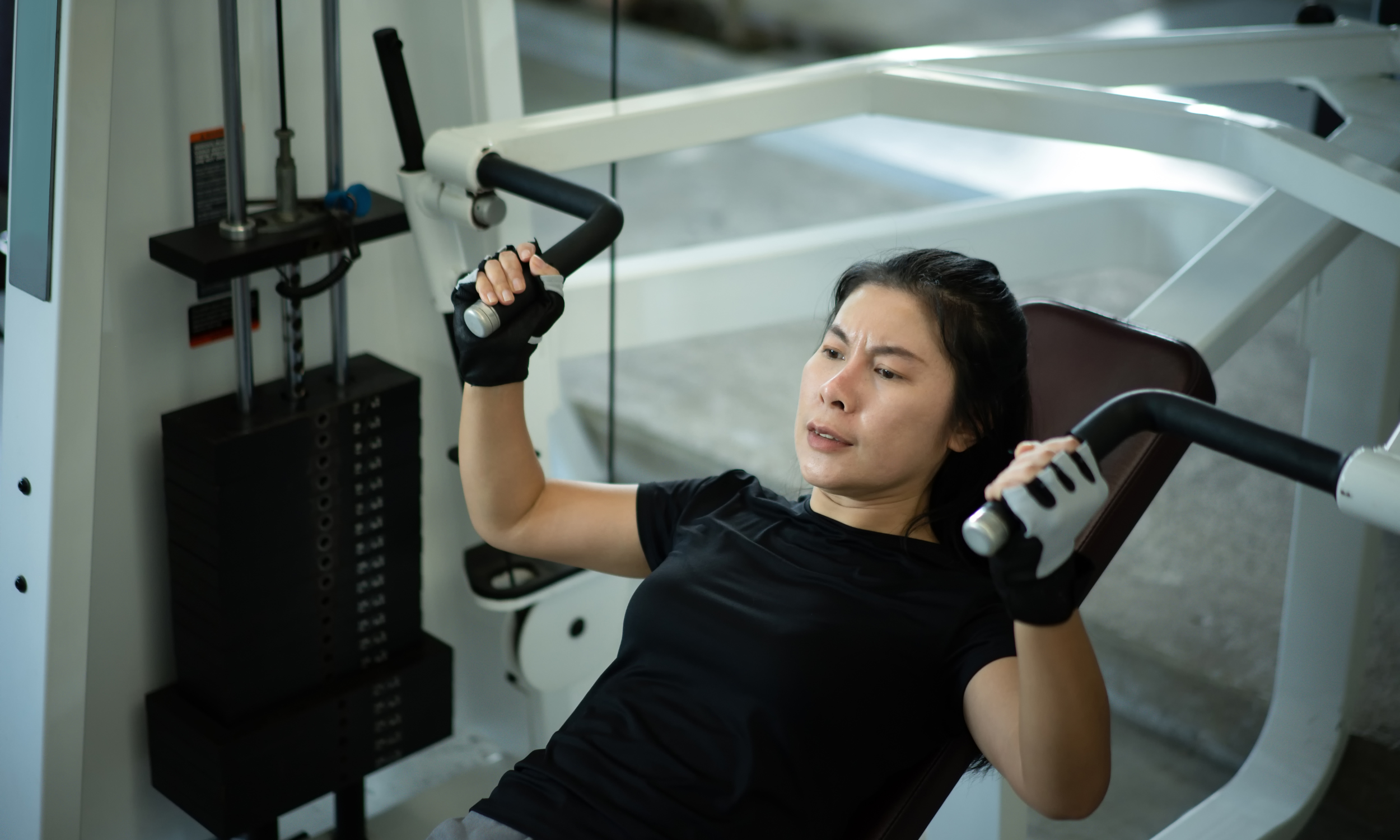
The Claim: Machines were designed for men and increase the risk of injury. Use free weights instead.
The Reality: Both have their place. Free weights add instability and require more balance, but that doesn't make them inherently "more functional." Machines allow you to train to failure safely and build maximum muscle mass.
Any quality machine is adjustable. The real issue is your individual structure and proper setup.
A well-designed program needs both.
5. High-Intensity Training
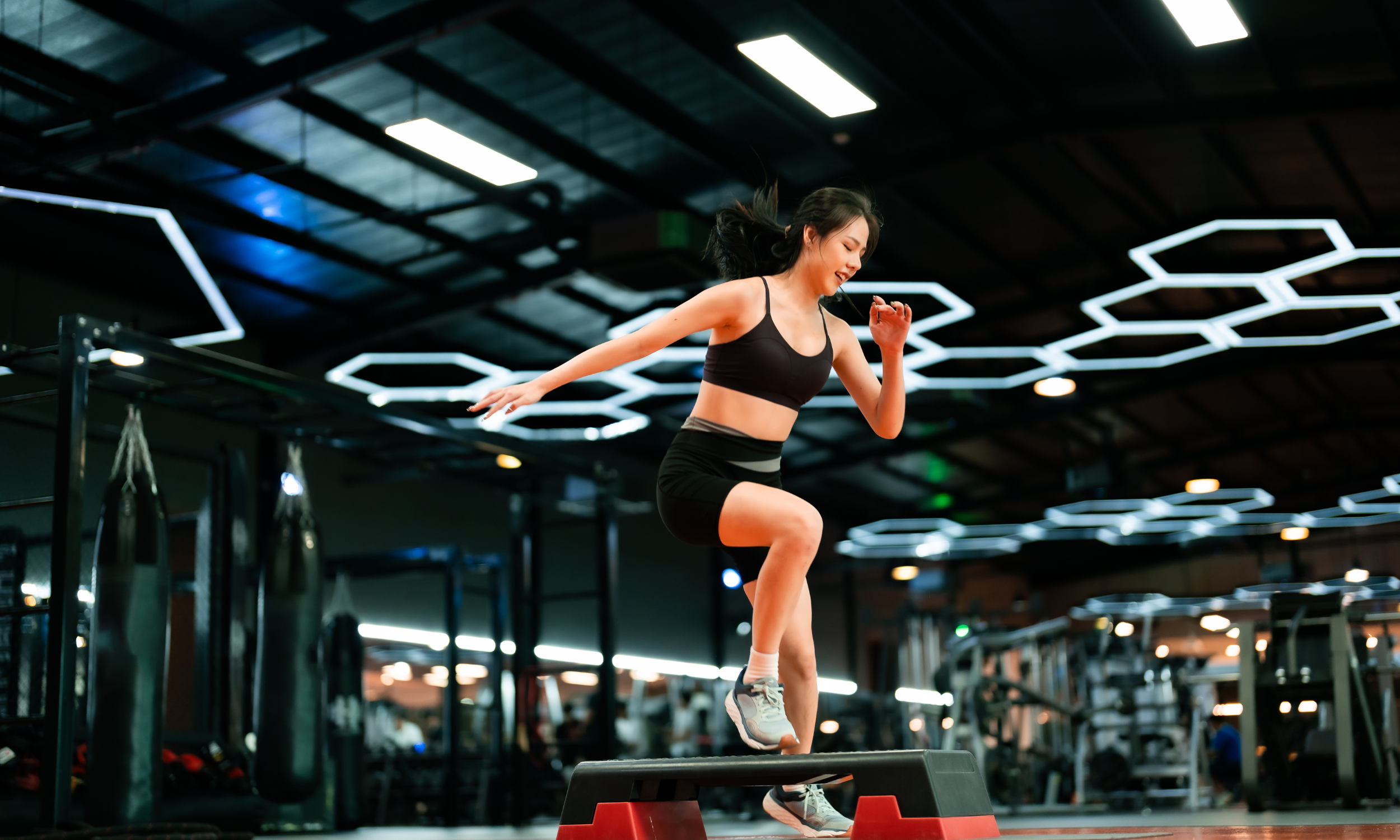
The Claim: Just 30 seconds of all-out effort can transform your body through sprint interval training.
The Reality: True high-intensity interval training (HIIT) is effective for improving fitness, but it's wildly overhyped. You cannot physically sustain true HIIT for 45 minutes; that's physiologically impossible.
The biggest mistake?
Most people think they're doing HIIT when they're not.
Real HIIT follows protocols like 30 seconds on, 2 minutes off, repeated up to 5 times.
For overall health and longevity, strength training plus zone 2 cardio covers your bases.
HIIT is optional and carries injury risk when form breaks down (ever seen the average person doing kettlebell swings?).
Important: If fat loss is your goal, HIIT as your primary tool is a poor strategy.
Strength training, along with improved nutrition, works better.
6. Core Training
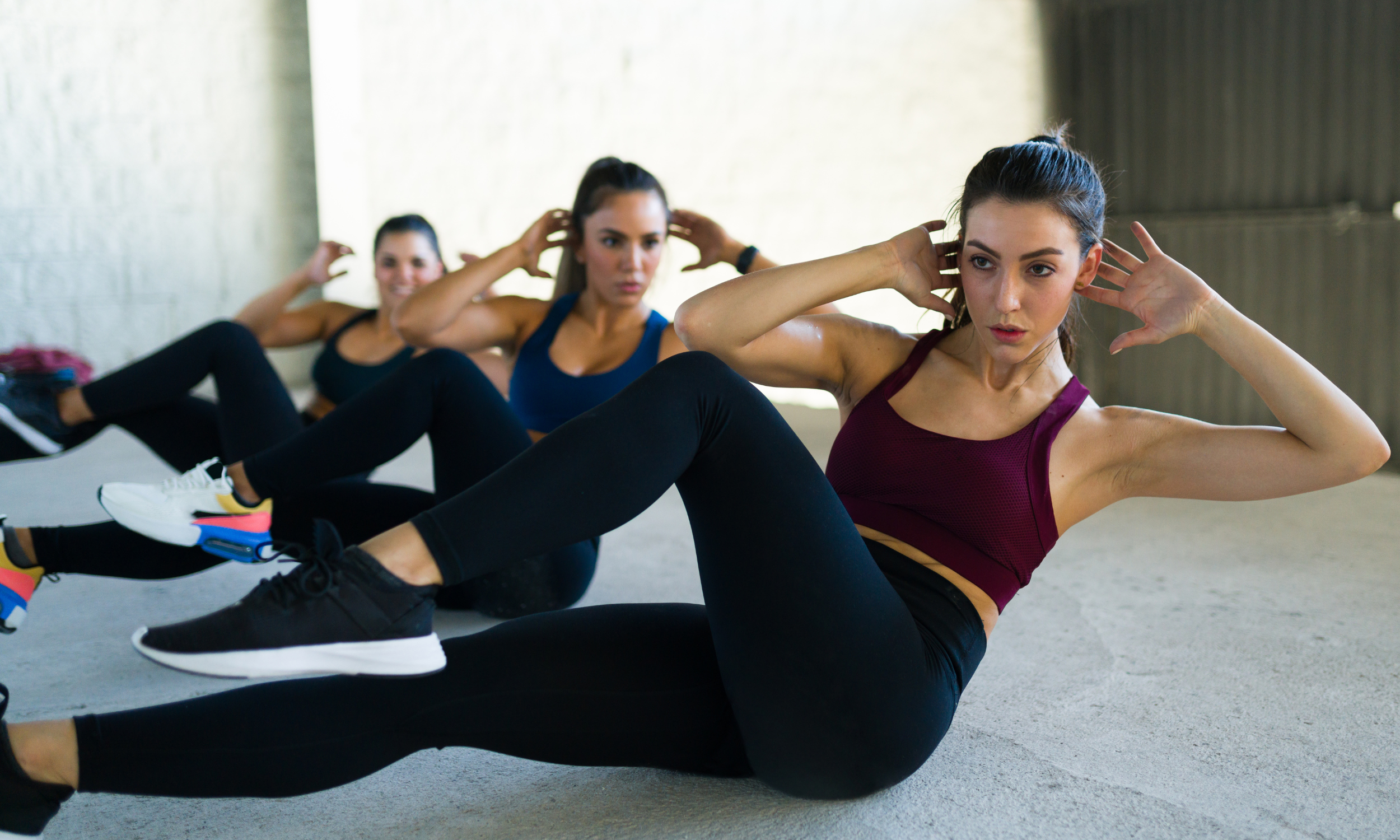
The Claim: Women should skip crunches and just do compound movements like squats and deadlifts for abs.
The Reality: This advice wouldn't fly for any other muscle group. Want bigger biceps? Train biceps. Want stronger glutes? Train glutes. Want visible abs? Train abs properly.
Your core muscles work like any other muscle; they need to be taken through their full range of motion.
That means both:
Spinal flexion exercises (yes, crunches)
Bracing exercises during compound lifts
Static holds (planks, side planks)
Dynamic movements
Compound exercises do train the deep core muscles (obliques, transverse abdominis), but they don't replace direct core work.
Proper core training prevents injuries and improves overall performance.
7. Menstrual Cycle Training
The Claim: Lift heavy during your follicular phase (day 1 to ovulation). Go easy during your luteal phase when hormones are high.
The Reality: This "cycle syncing" trend started with good intentions but created fear-based marketing that left women confused and frustrated.
New research shows every woman responds differently:
Some feel strongest in their luteal phase
Some feel strongest in their follicular phase
Some notice no difference at all
Dr. Stacy Sims herself has clarified that cycle syncing isn't all it seems.
The better approach?
Track your own cycle, listen to your own body, and adjust as needed.
Taking a week off monthly or constantly changing your program disrupts progressive overload.
Consistency matters more than perfectly timing your workouts to your hormones.
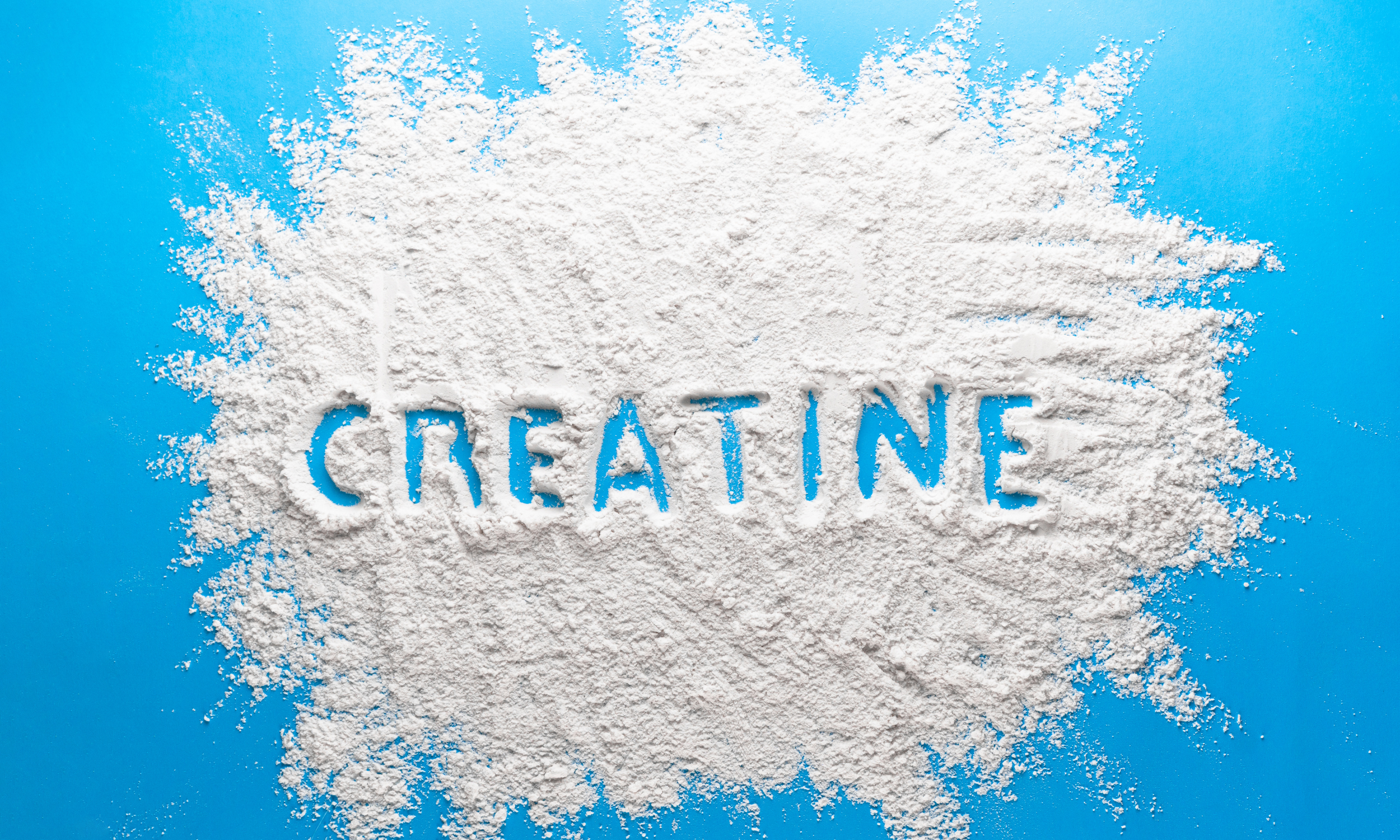
8. Creatine and the "Bulky" Myth
The Claim: Creatine is the #1 supplement for women and doesn't make you bulky.
The Reality: Spot on. Creatine monohydrate (3-5g daily) is one of the few supplements actually worth the money.
How it works: Creatine draws fluid into muscle cells. Well-hydrated muscles contract harder, improving strength.
You might see a slight increase in scale due to fluid retention, but that's not fat gain.
Benefits extend beyond muscles to brain and heart health.
The dose is the same for men and women.
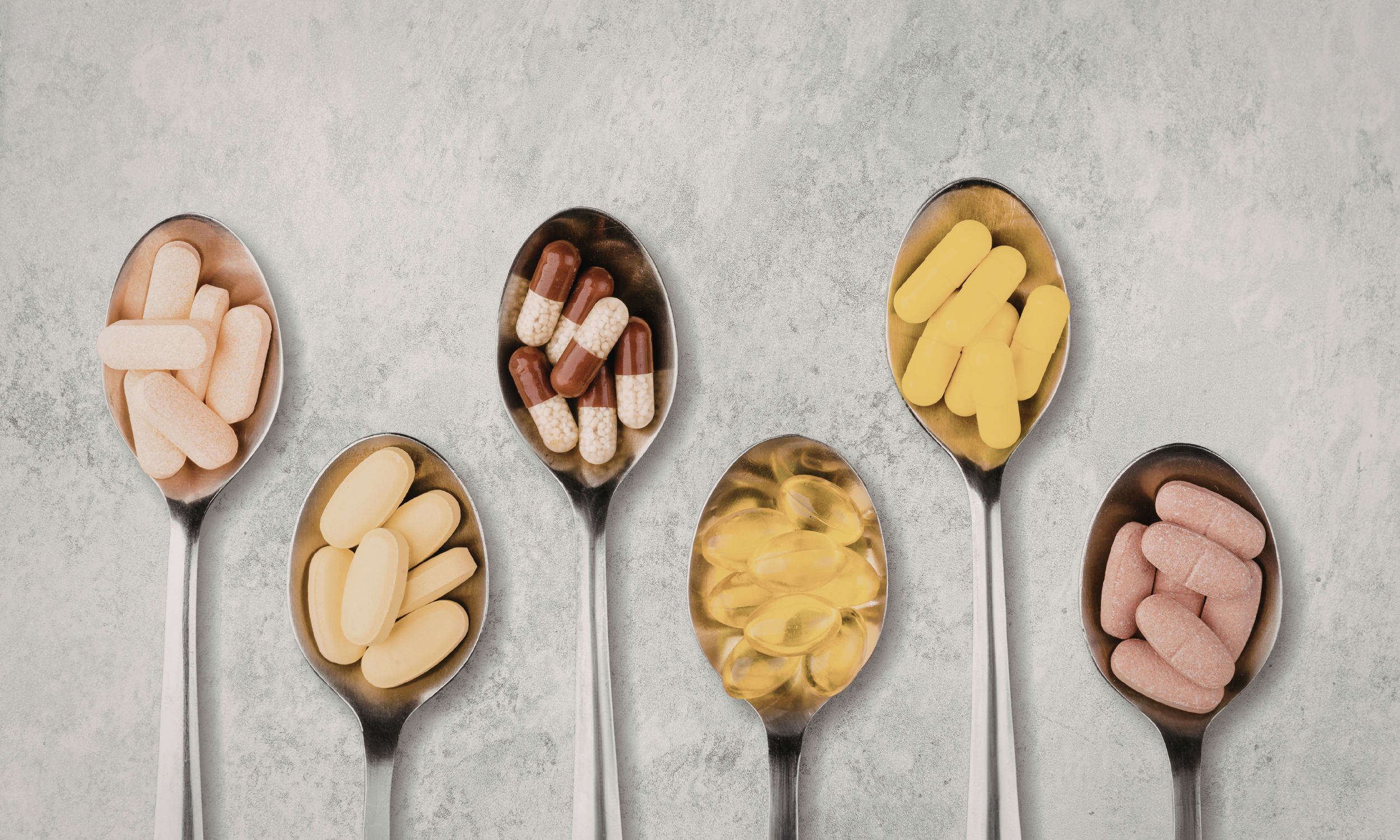
9. Supplementation
The Claim: Women should supplement with vitamin D3, protein powder, iron, and omega-3s.
The Reality: Women do tend to need more iron than men due to monthly menstruation and pregnancy demands.
The timing advice is accurate, supplement before training or at night when hepcidin (which blocks absorption) is lower.
Best Practice: Work with a professional and get blood work done. High-quality supplements that typically benefit most people include:
Whey protein isolate/concentrate (most don't eat enough protein)
Vitamin D (if deficient, common due to indoor lifestyles)
Magnesium (especially if you train hard or get cramps)
Omega-3s (unless eating oily fish twice weekly)
Skip women's multivitamins, they're expensive and often contain inadequate doses of active ingredients.
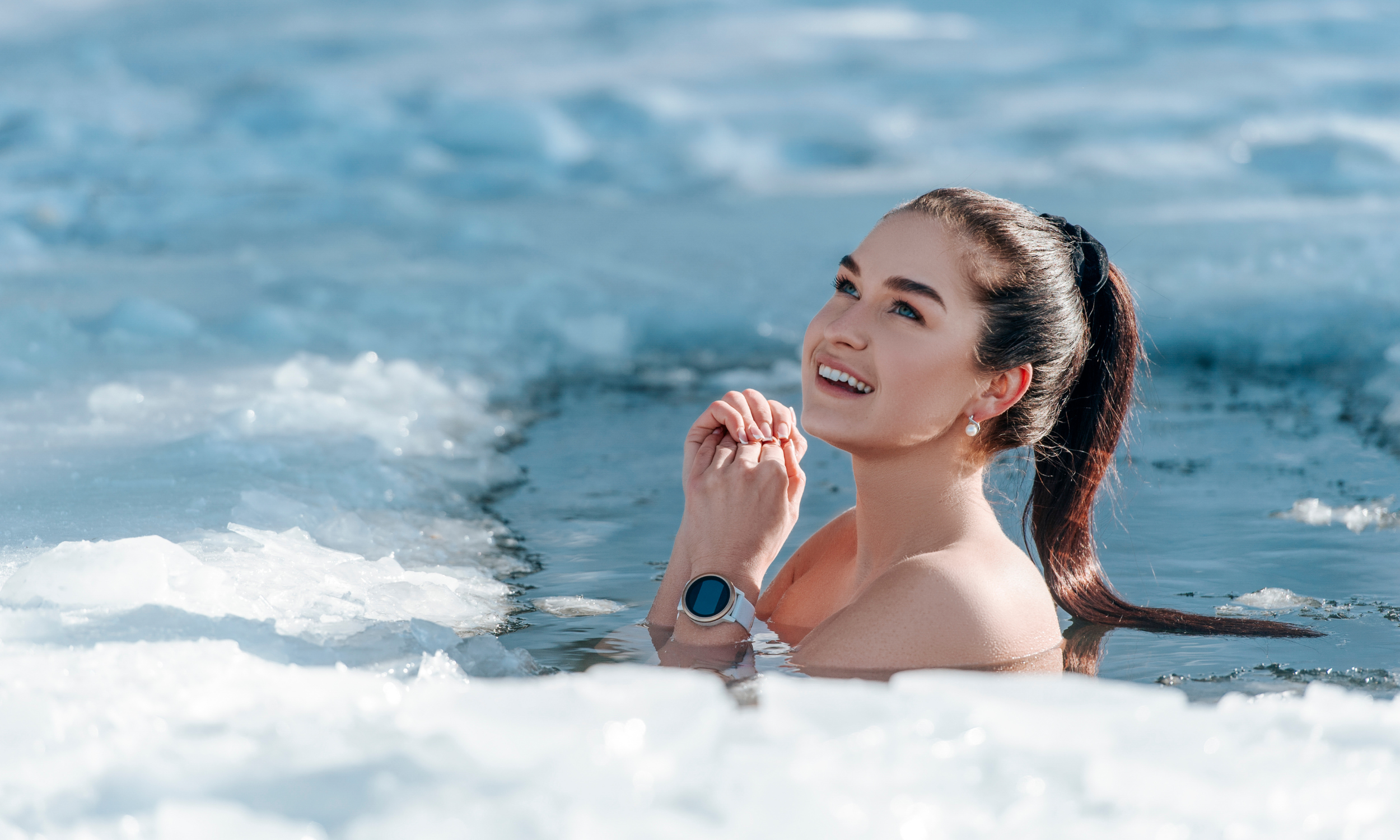
10. Ice Baths
The Claim: Women don't respond to ice baths the same way men do. Use warmer water (15-16°C) instead of ice-cold.
The Reality: Women's blood vessels may constrict and stay constricted without reaching the beneficial shivering phase in extremely cold water. Slightly warmer temperatures can provide similar benefits.
However, ice baths and cold therapy carry conflicting research.
Benefits include improved glucose control, stress resilience, and mental fortitude.
The downside?
They may reduce inflammation that's actually necessary for recovery.
Recommendation: Avoid cold therapy 4-8 hours post-workout. Prioritise sleep, nutrition, and proper programming before adding ice baths.

11. Saunas: Gender Differences in Heat Tolerance
The Claim: Women can sit comfortably in saunas for 20 minutes while men sweat immediately.
The Reality: Many women notice that they tolerate heat differently from men. Sauna benefits include improved circulation, detoxification through sweating, and mental relaxation.
Like ice baths, saunas are beneficial, but don't replace fundamental recovery strategies; adequate rest, proper nutrition, and intelligent programming matter most.

12. Stress and Exercise
The Claim: Exercise stress builds resilience that extends beyond the gym.
The Reality: Completely true for both genders. There are two types of stress:
Distress: Work pressure, relationship issues, lifestyle factors
Eustress: Positive stress from exercise and recovery
The importance of strength training extends far beyond physical fitness.
As noted in Harvard research on exercise, physical activity is crucial for preventing disease and maintaining overall health, and strength training is increasingly important as we age to prevent muscle loss.
In our sedentary lives, we need dedicated time for movement and outdoor activity.
Exercise teaches your body and brain to handle stress more efficiently, and that resilience carries through your entire life.
The Bottom Line
Good fitness advice should be:
Evidence-based without being oversimplified
Practical for real-world application
Individual rather than gender-prescriptive
Women do have unique physiological considerations, but many training principles apply universally.
The biggest mistakes in women's fitness come from:
Treating strength training like cardio
Constantly changing programs based on menstrual cycles
Avoiding progressive overload out of fear
Prioritising supplements and recovery hacks over fundamentals
Focus on consistent strength training, adequate protein, proper rest periods, and progressive overload.
Track your personal responses rather than following blanket recommendations.
And remember, you're not a smaller man, but you're also not so different that basic training principles don't apply.
If you've enjoyed this article and the others, and learned a lot, imagine what it would be like to work with me as your coach!
Looking to get incredible, life-changing results?
Want to get those glutes popping?
Want to be the strongest, most capable you ever?
Do you want to finally STOP wasting your time, effort and money on influencers, programs and coaches that suck?
Just hit the link below, get in touch, and we can discuss your goals and coaching in detail.
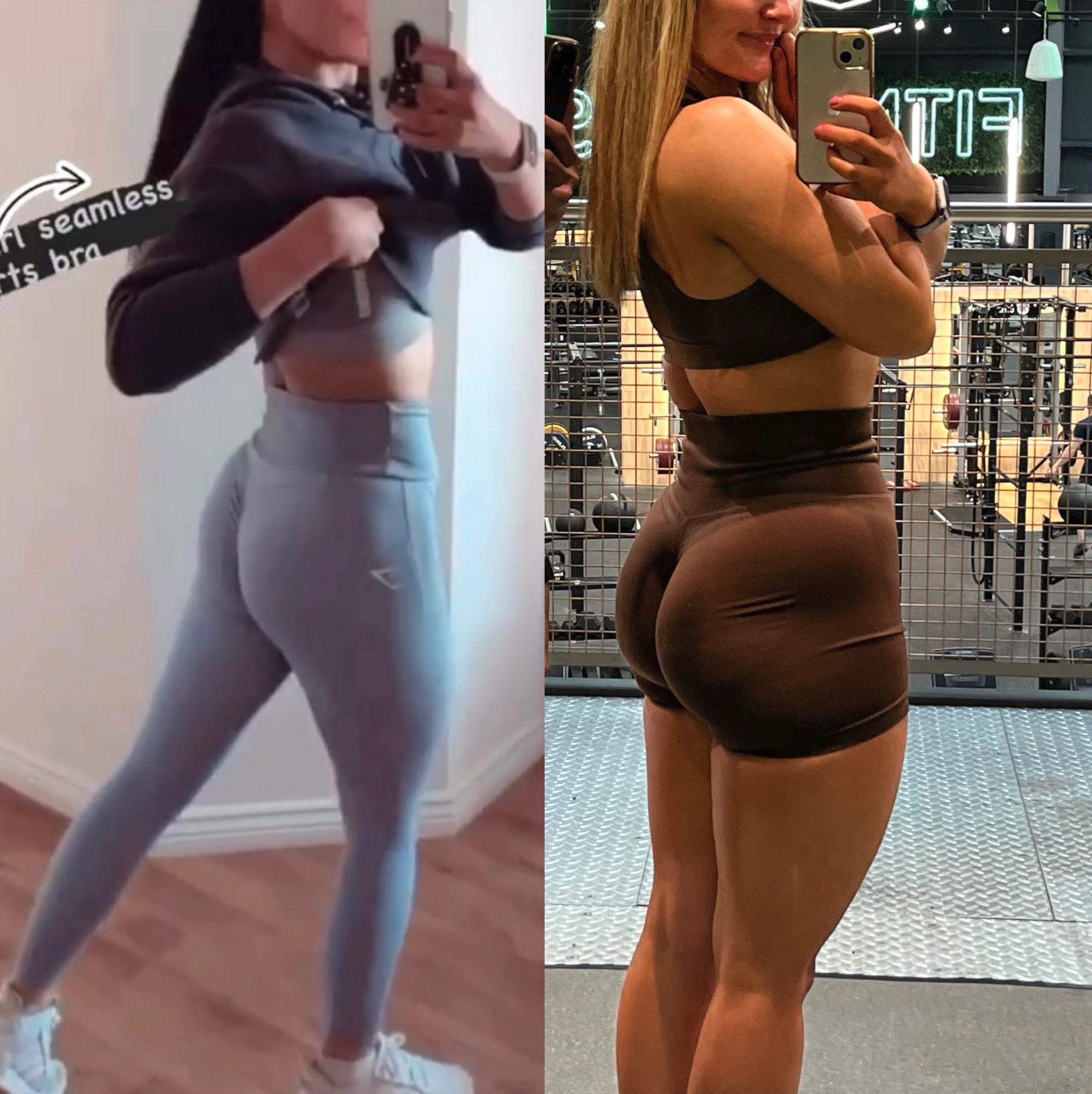
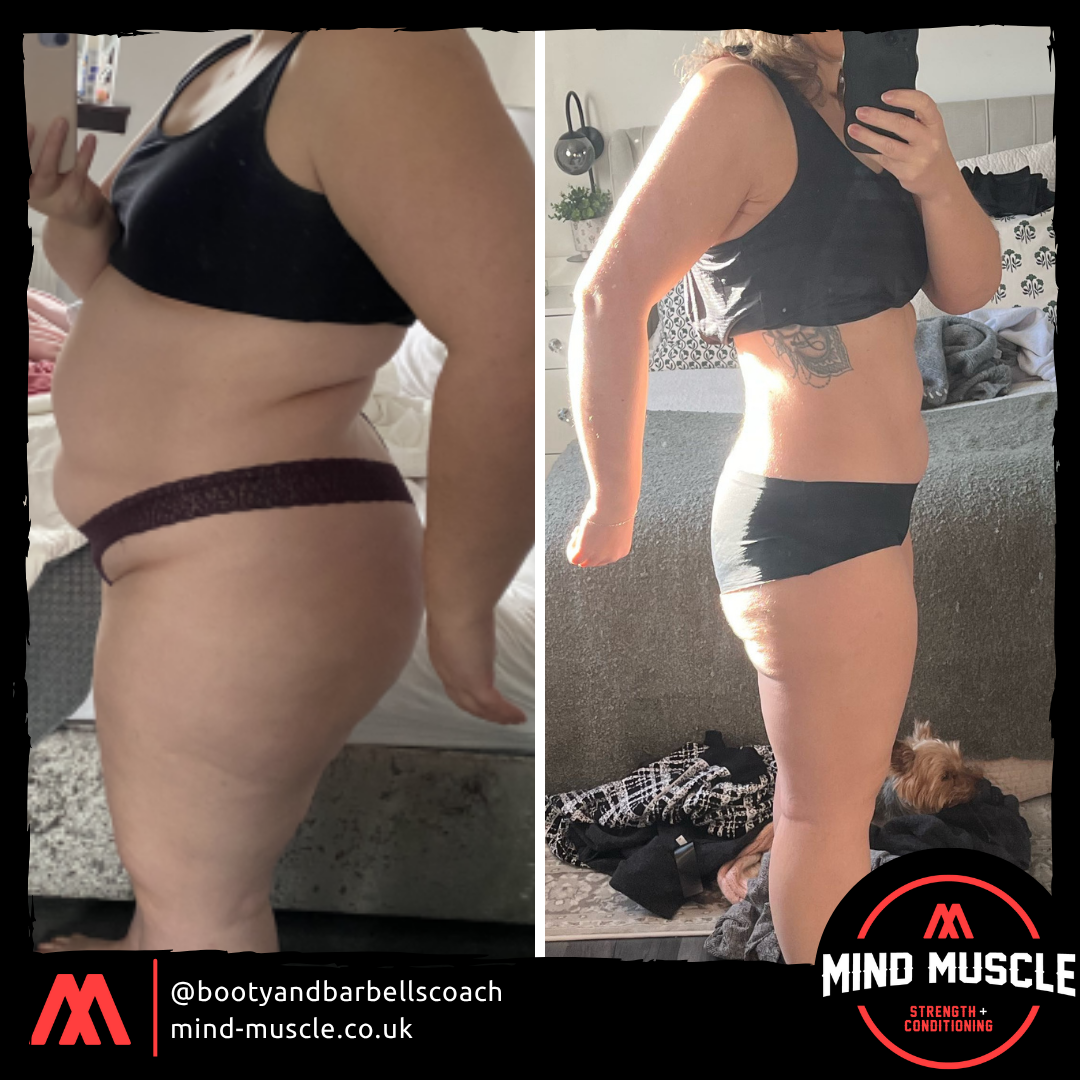
A few of my clients who joined my M3 - Mind Muscle Method - Coaching Program
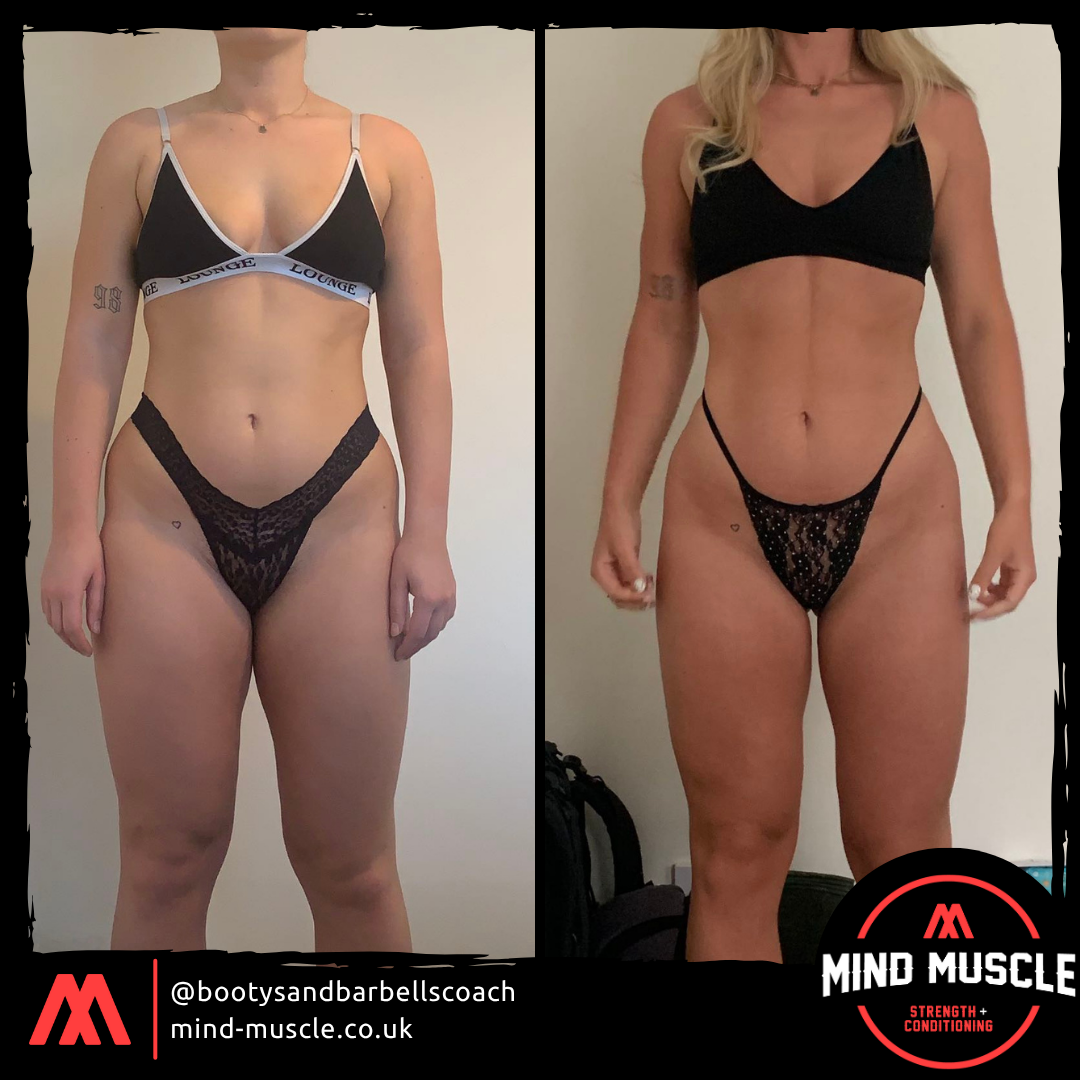


I’m Aaron Schiavone, owner of Mind Muscle Personal Training. Over the past 9+ years I have helped women increase their self confidence, improve their relationship with food, improve their health, become stronger, fitter and happier.